

Marketing Funnels: A Simple Guide
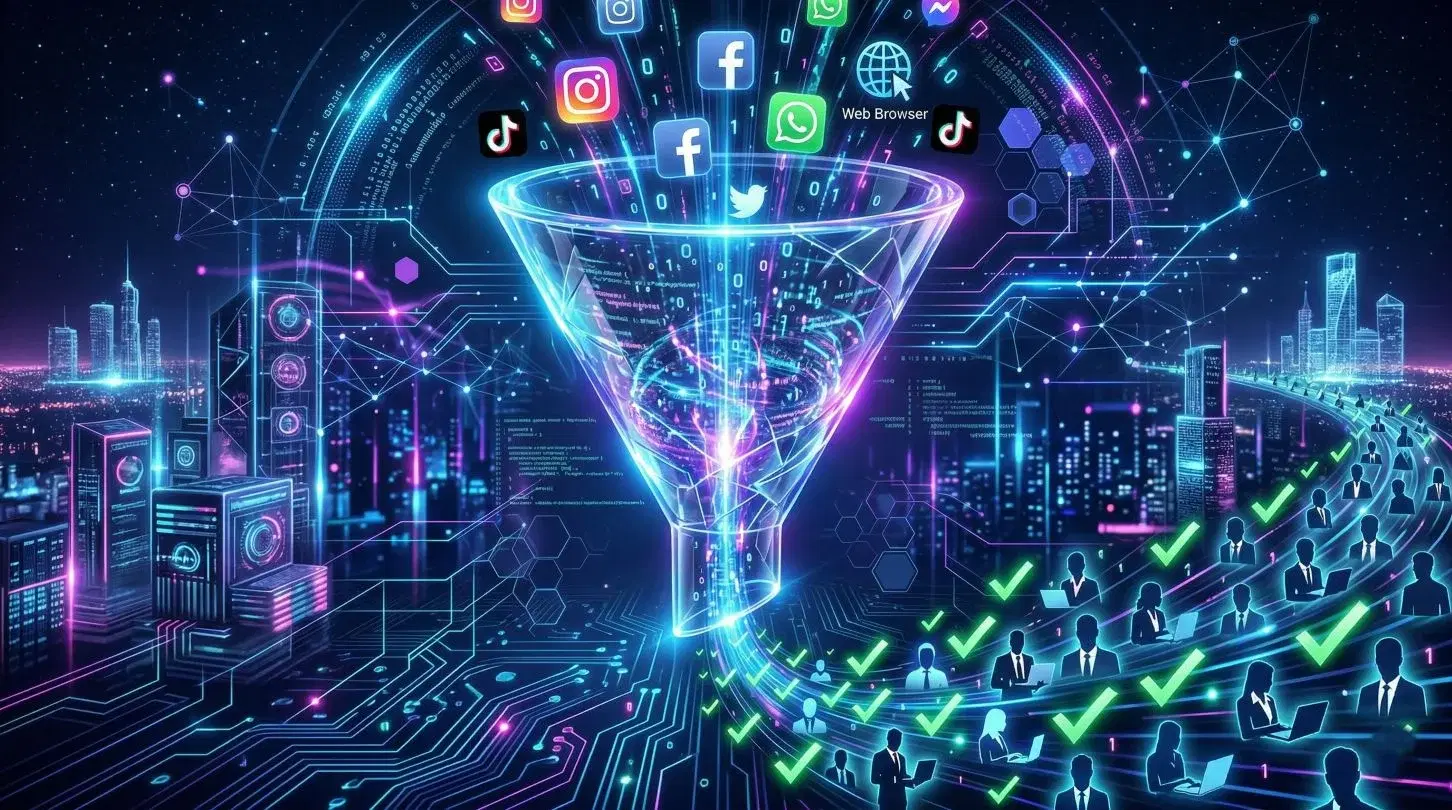
A marketing funnel is a framework that explains how potential customers move from first discovering a brand to becoming paying customers—and eventually loyal advocates. It helps businesses understand customer behavior, plan better marketing activities, and improve conversion rates at every stage.
The Stages of a Marketing Funnel
1. Awareness
This is the top of the funnel, where people first learn about your business. Channels like social media, search engines, ads, referrals, and content marketing play a key role here. The goal is visibility and attracting the right audience.
2. Interest
At this stage, prospects start engaging with your brand. They may visit your website, message on WhatsApp or social media, or inquire about your services. Timely responses and clear communication are critical to keep their interest alive.
3. Consideration
Prospects compare options, ask questions, and look for trust signals. Follow-ups, detailed information, demos, pricing discussions, and personalized communication help move them closer to a decision.
4. Conversion
This is where a prospect becomes a customer. Smooth billing, clear payment processes, and quick confirmations reduce friction and increase the chances of conversion.
5. Retention
The funnel doesn’t end with a sale. Post-purchase follow-ups, support, reminders, and repeat engagement help turn customers into loyal, long-term clients.
Why Marketing Funnels Matter
Without a structured funnel, leads often fall through the cracks. A well-defined funnel helps businesses:
- Track where leads come from
- Understand why prospects drop off
- Improve messaging at each stage
- Increase conversion and retention rates
Managing a Funnel in Practice
In real-world scenarios, managing a marketing funnel means handling multiple touchpoints—messages, calls, emails, follow-ups, invoices, and appointments. When these are spread across different tools, visibility is lost.
This is where unified systems, such as CRM platforms like Cleomitra, can quietly simplify funnel management by bringing customer data, communication, and follow-ups into one place—making it easier to guide prospects from awareness to conversion.
Final Thoughts
A marketing funnel isn’t just a concept—it’s a practical way to understand and improve how customers interact with your business. By clearly defining each stage and supporting it with the right processes and tools, businesses can create smoother customer journeys and achieve more consistent growth.
Understanding your funnel is the first step. Managing it efficiently is what drives results.
