

How to Start a Salon: A Complete Beginner’s Guide (2026)
Starting a salon can be a rewarding business if you are passionate about beauty, style, and customer service.
Starting a salon can be a rewarding business if you are passionate about beauty, style, and customer service. The beauty industry continues to grow every year, and salons remain one of the most profitable service businesses when managed correctly.
Whether you want to open a hair salon, beauty studio, or full-service spa, this guide explains the key steps to starting a successful salon.
1. Choose Your Salon Type
Before opening a salon, decide what type of services you want to offer. Your concept will influence your investment, staff requirements, and target customers.
Popular salon types include:
- Hair salons
- Beauty salons
- Nail salons
- Unisex salons
- Luxury salons and spas
- Home-based salons
Many new entrepreneurs start with a small unisex salon or beauty studio, which requires less investment and is easier to manage.
2. Create a Salon Business Plan
A salon business plan helps you understand the costs and long-term growth strategy.
Your business plan should include:
- Target audience
- Services offered
- Startup investment
- Monthly expenses
- Marketing strategy
- Revenue projections
Planning ahead reduces financial risks and helps you scale your salon business faster.
3. Choose the Right Salon Location
Location plays a crucial role in the success of a salon.
When selecting a location, consider:
- High foot traffic areas
- Residential neighborhoods
- Shopping complexes or malls
- Easy parking access
- Good visibility from the road
Salons located near apartments, office areas, and busy commercial streets usually attract more walk-in customers.
4. Get Required Licenses and Registrations
To legally operate a salon, you may need certain registrations depending on your country or state.
Common requirements include:
- Business registration
- Shop and establishment license
- GST registration (if applicable)
- Local municipal trade license
Having the proper licenses ensures smooth operations and avoids legal issues.
5. Purchase Essential Salon Equipment
Every salon needs professional tools and equipment to provide quality services.
Basic salon equipment includes:
- Salon styling chairs
- Mirrors and workstations
- Hair wash units
- Hair dryers and styling tools
- Towels and sterilization equipment
- Beauty and skincare products
Investing in reliable equipment helps improve service efficiency and customer satisfaction.
6. Hire Skilled Salon Staff
Your team directly impacts your salon’s reputation.
Common salon staff roles include:
- Hair stylists
- Beauticians
- Nail technicians
- Receptionists
Look for professionals with experience, certifications, and good communication skills to ensure excellent customer service.
7. Set Competitive Pricing
Research other salons in your area to understand the average service pricing.
Typical salon services include:
- Haircuts
- Hair coloring
- Facials
- Hair treatments
- Manicure and pedicure
Competitive pricing helps attract customers while maintaining healthy profit margins.
8. Design an Attractive Salon Interior
Salon ambiance plays a major role in the customer experience.
A good salon interior should include:
- Proper lighting
- Comfortable seating
- Clean and modern design
- Good ventilation
- Relaxing atmosphere
Customers are more likely to return to salons that feel welcoming and comfortable.
9. Use Salon Management Software
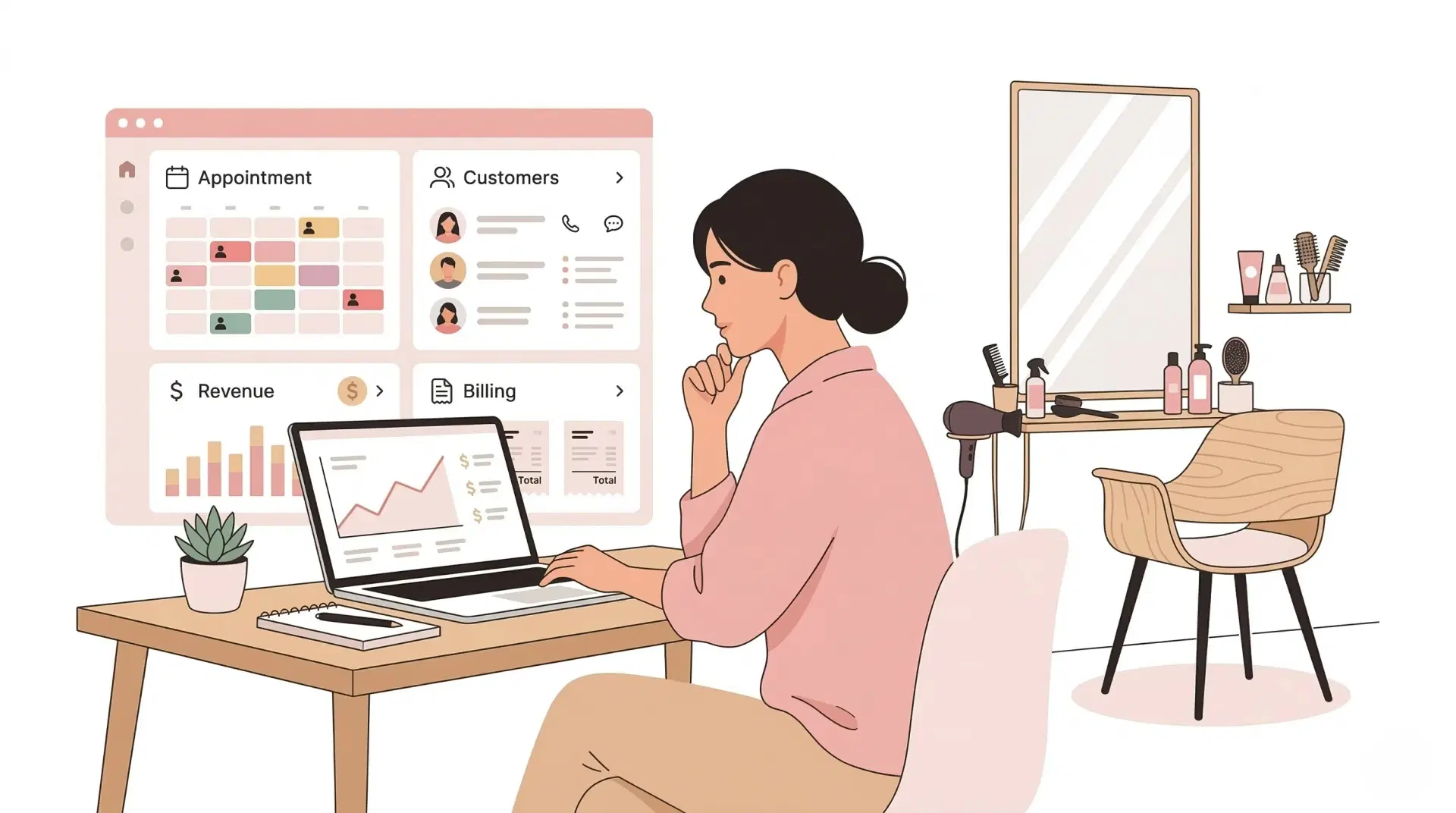
Managing appointments, customers, and staff manually can quickly become difficult as your salon grows. Using salon management software helps automate daily operations and improve efficiency.
Platforms like Cleomitra Salon Software provide useful tools for salon owners, including:
- Online appointment booking
- Automatic appointment reminders
- Sending invoices directly to customers via WhatsApp
- Tracking daily and monthly sales
- Managing product inventory
- Staff management and performance tracking
- Multi-location salon management
Using software can help salon owners save time, reduce missed appointments, and improve overall business management.
You can explore more features here:
https://www.cleomitra.com/solutions/salon-spa
10. Promote Your Salon Online
Digital marketing helps salons attract new customers and grow faster.
Popular salon marketing methods include:
- Creating a Google Business Profile
- Posting regularly on Instagram and social media
- Encouraging customer reviews
- Running local ads
- Offering online booking options
Strong online visibility helps customers easily discover your salon.
Final Thoughts
Starting a salon requires careful planning, investment, and a strong focus on customer experience. By choosing the right location, hiring skilled staff, and using modern tools like salon management software, you can build a salon business that grows steadily.
With the right strategy and dedication, a salon can become a profitable and long-term business in the beauty industry.
